

Nödläge för demokratin!
Demokratin pressas hårt från flera håll, i världen i stort och här hemma. Hur illa är det? Svaret ges i en ny rapport från LO som beskriver läget. Se seminarium i LO Play 26 april kl. 08.30.

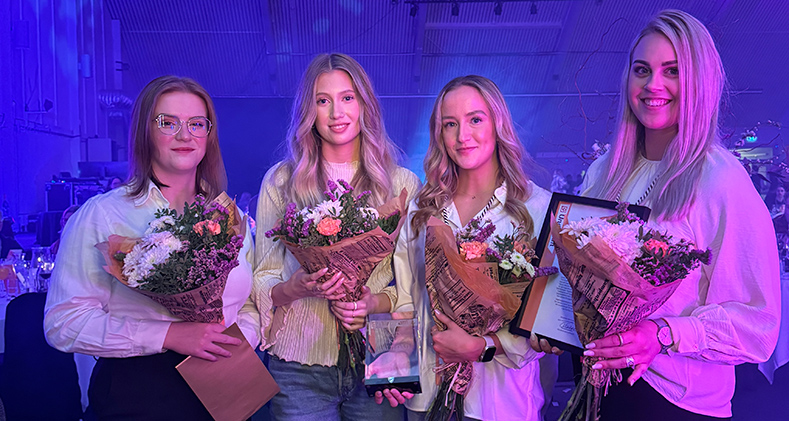
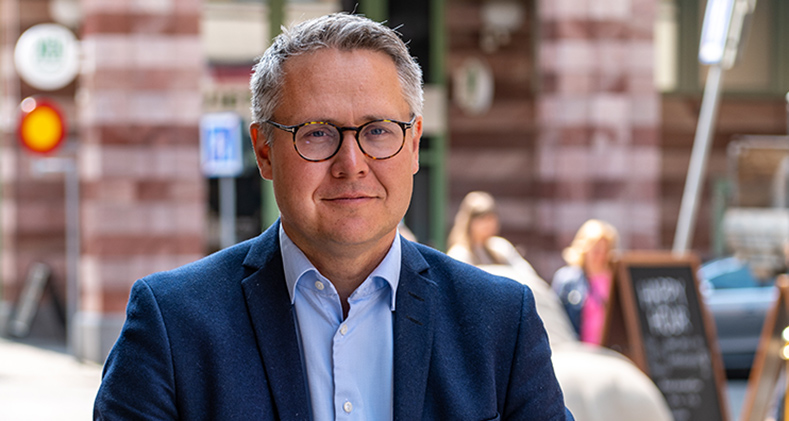

Här talar fackliga företrädare på Första maj
På första maj samlas socialdemokrater och LO-medlemmar över hela landet under parollen Gemensamt ansvar för Sverige.
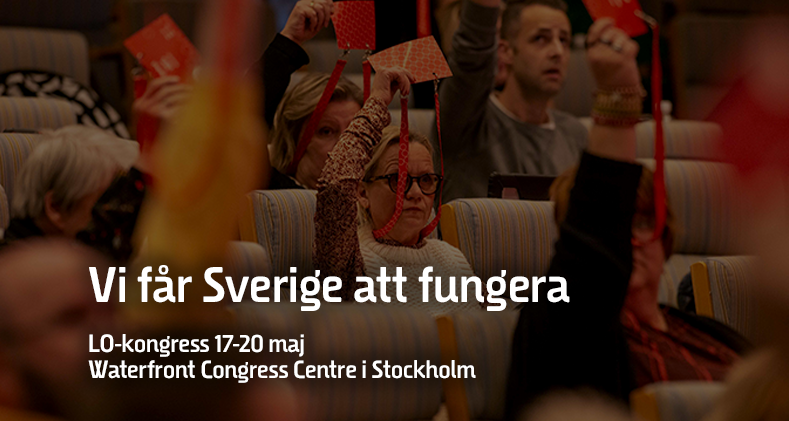
LO-kongress 2024
LOs nästa kongress genomförs i Stockholm den 17-20 maj 2024. Devisen för kongressen är "Vi får Sverige att fungera".
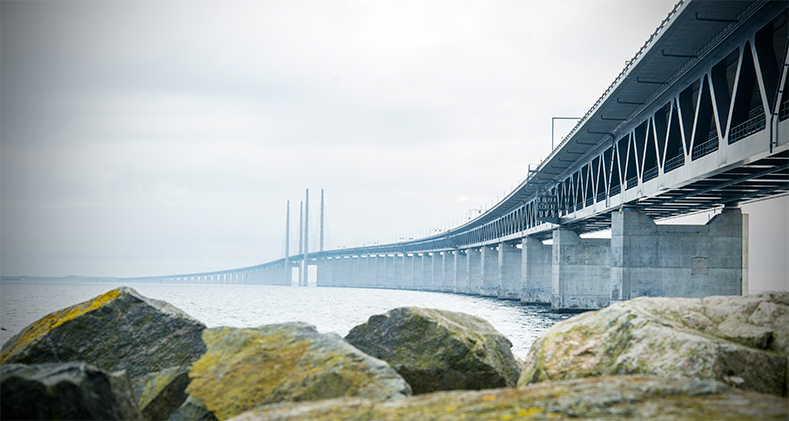
Försnack inför valdebatt i Europaparlamentet
Hur påverkas företag, kommuner, regioner, medborgare och arbetstagare av det stundande EU-valet? Arbetsmarknadens parter gör inspel.
Poddserie: Vi bygger landet
En podcast om viktiga händelser, vändpunkter och personer i arbetarrörelsens och demokratins dramatiska historia.

Facklig-politisk samverkan i krigets Ukraina
Mitt under brinnande krig bygger unga socialdemokrater och fackligt aktiva en ny arbetarrörelse i Ukraina. Målet är att skapa ett socialdemokratiskt arbetarparti som kan bli en del av samhällsbygget den dag kriget är över.

Därför behöver Sverige etableringsjobb
Långtidsarbetslösheten är hög samtidigt som det råder brist på arbetskraft inom många yrken. Med etableringsjobb kan långtidsarbetslösa och nyanlända skaffa sig de kunskaper och erfarenheter som krävs för att få ett arbete.
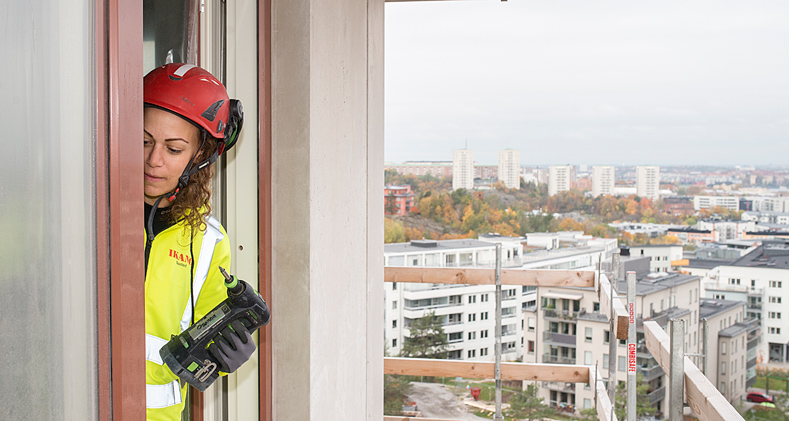

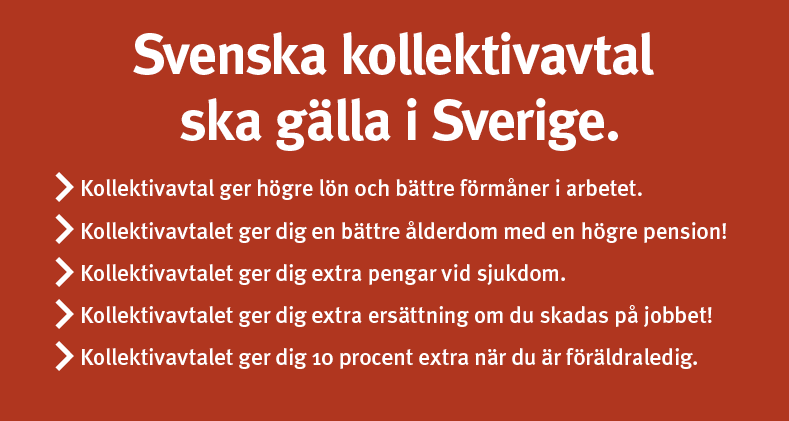
Svenska kollektivavtal ska gälla i Sverige
Att svenska kollektivavtal ska gälla i Sverige kan tyckas vara en självklarhet, men det är inte alls särskilt självklart. Det gäller att stå upp för kollektivavtalen och att göra motstånd mot angreppen - varifrån de än kommer.
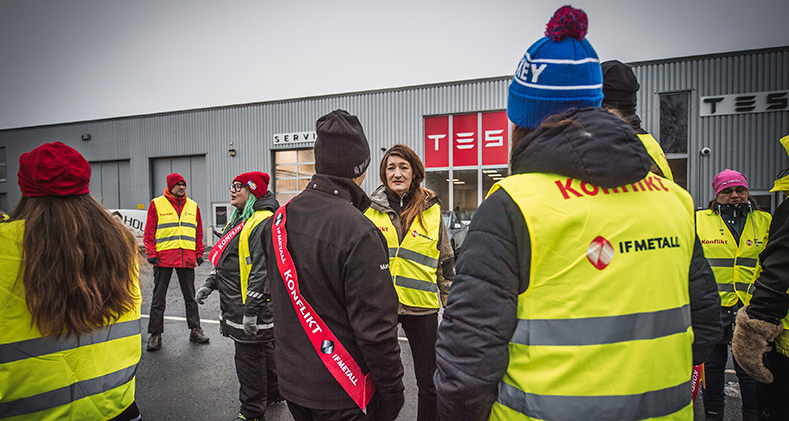


Arbetarhushållen – i kristider
Svenska arbetare har sett sin ekonomi försämras under de senaste åren. Marginalerna är i många fall utraderade och även om Sverige nu ser tecken på en förbättring är vändningen ännu inte här.
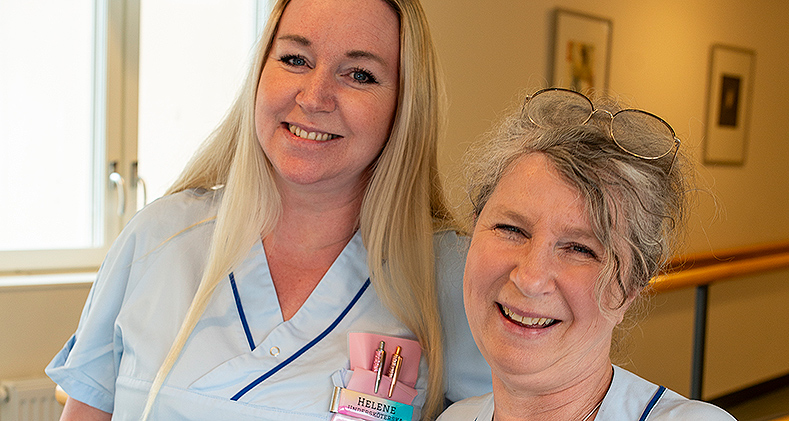

Makteliten - alltid goda tider
I den här rapporten jämförs maktelitens inkomstutveckling med den genomsnittliga lönen för en industriarbetare under åren 1950-2022.

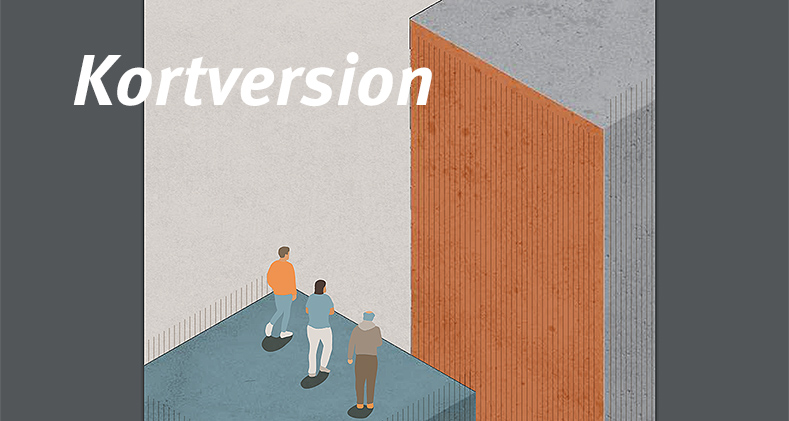
Makteliten - alltid goda tider - i korthet
Det här är kortversionen av LO-ekonomernas årliga rapport där maktelitens inkomstutveckling jämförs med den genomsnittliga lönen för en industriarbetare.

Bostadspolitiskt program
LO vill bygga bort bostadsbristen med drygt 50 000 bostäder per år under det kommande decenniet.

Välfärdsgapet 2023
Vilka resurser krävs för att vi ska kunna behålla dagens välfärd även i framtiden? Hur kan vi använda existerande resurser så att de räcker till mer välfärd? Dessa frågor försöker vi besvara i rapporten Välfärdsgapet.
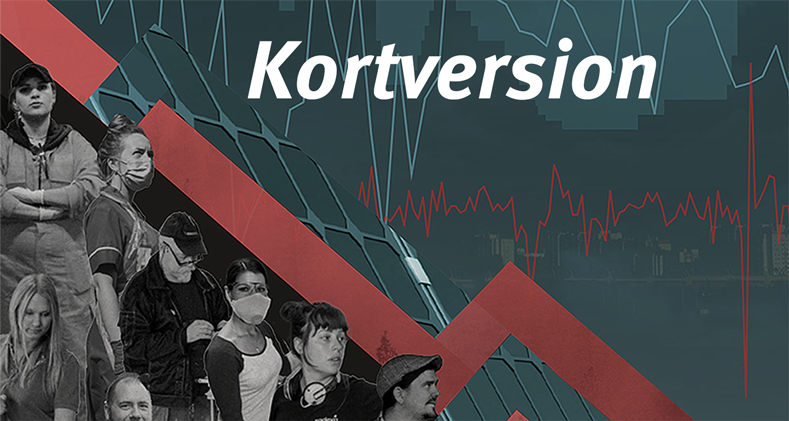
Ekonomiska utsikter hösten 2023 - i korthet
LO-ekonomernas konjunkturprognos hösten 2023 presenteras här i en kortversion.

Skifte i den ekonomiska politiken?
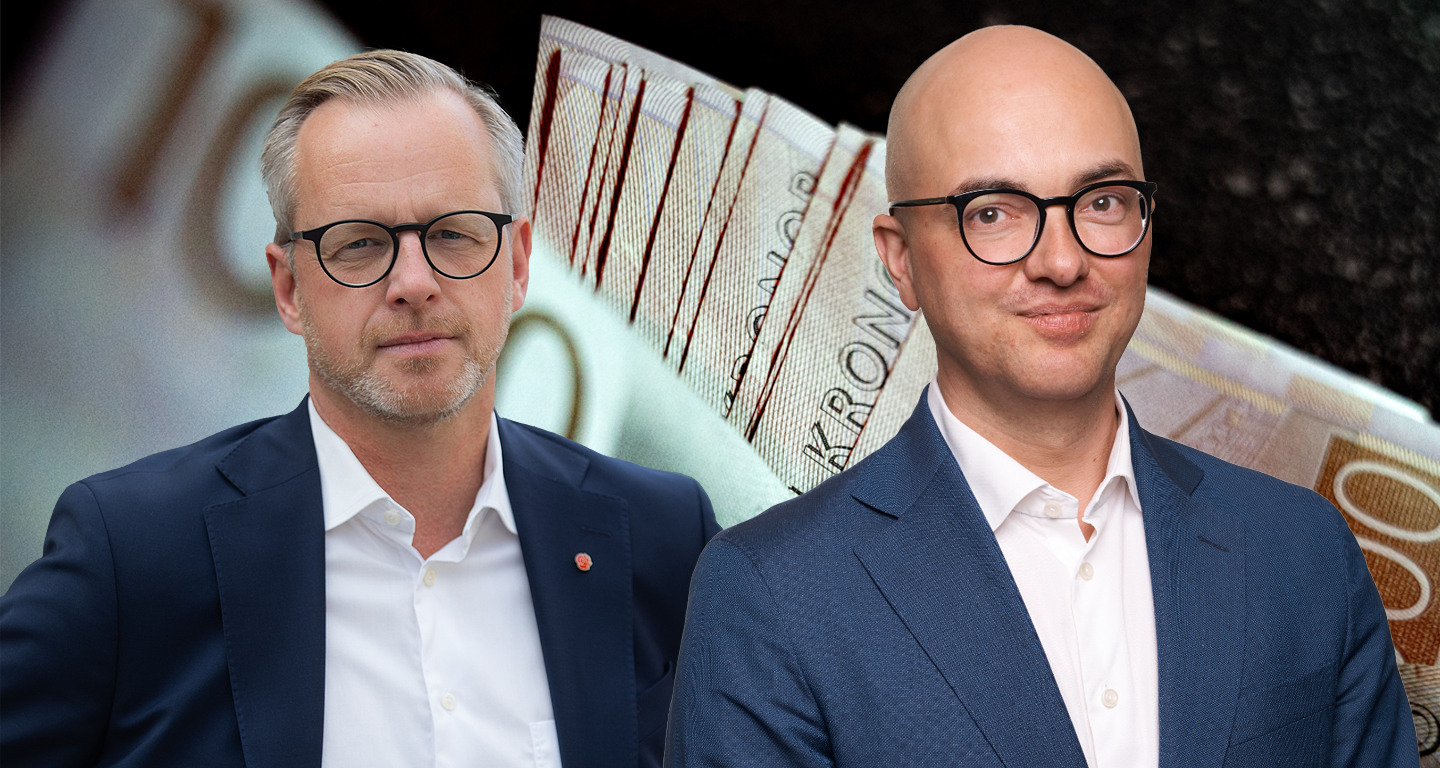
LO och Tankesmedjan Tiden arrangerar ett seminarium om den ekonomiska politiken. Medverkar gör Mikael Damberg (S) samt LO-ekonomen Torbjörn Hållö.
Hemtjänsten i Nordanstig – tillbaka till egen regi
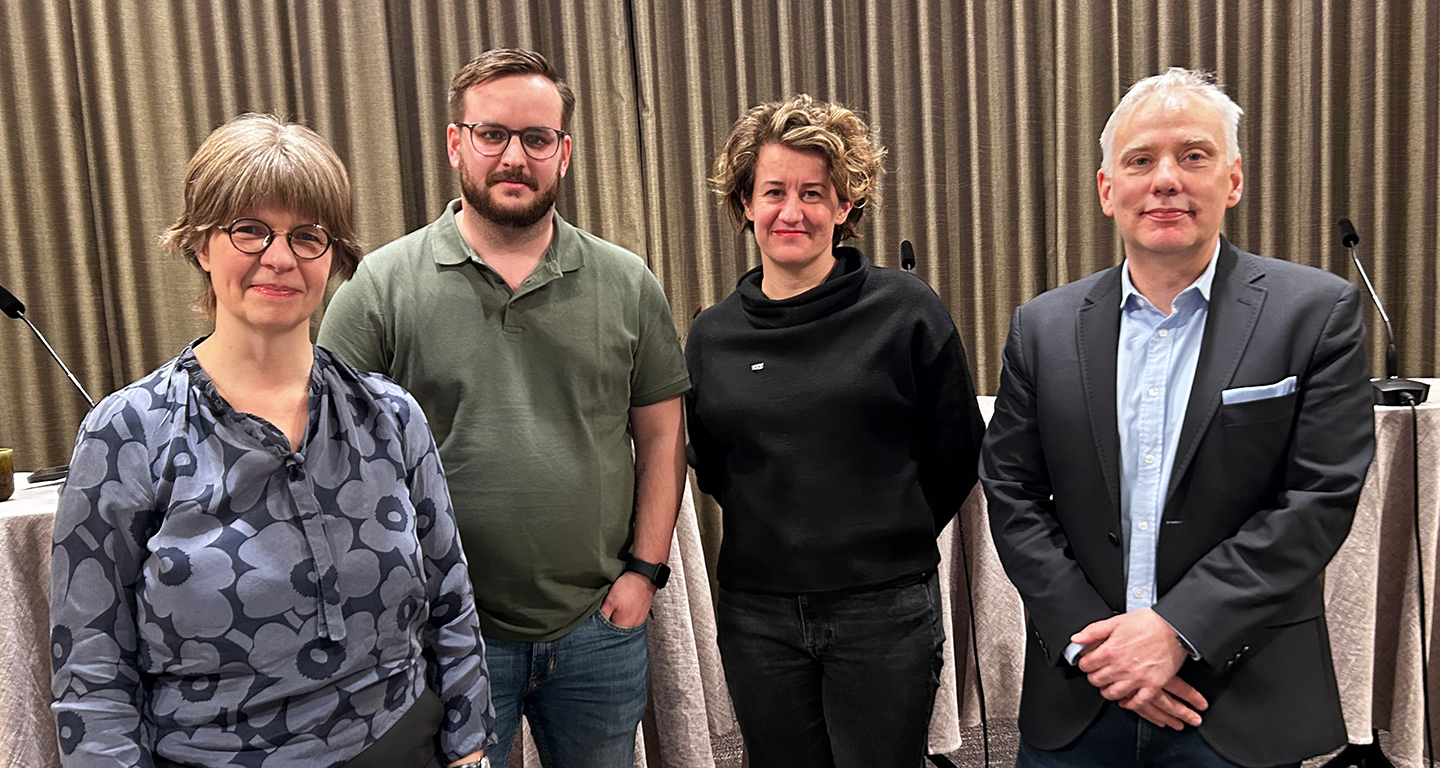
Vad hände med hemtjänsten i Nordanstig när privata utförare tog över verksamheten? Och vad hände sedan, när politiken beslutade att ta tillbaka den i egen regi?
Arbetsmarknaden har blivit sjuk
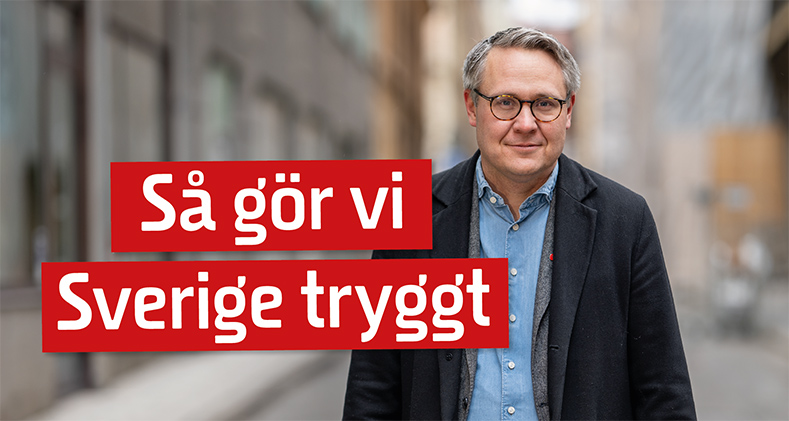
Organiserad brottslighet och arbetslivskriminalitet drabbar både vanligt folk och seriösa företag. Vi kan bekämpa den, men då behöver vi ett EU som står på vanligt folks sida.
De avslöjade sextrakasserier på Volvo
Expressen,Här talar topparna i LO och S på 1 maj 2024
Arbetet,Debatt Släpp sargen och börja investera, Svantesson!
Östersunds-Posten Premium,Arbetare med låg lön klassas som ej självförsörjande av regeringen
Arbetet,Håll dig uppdaterad
Prenumerera på pressmeddelanden och nyhetsbrev från LO. Fyll i din e-post och skicka iväg!
Välkommen!
Snart klart! Ett mail har skickats till den e-postadress du angav.
Leta upp mailet i din inkorg, öppna mailet och klicka på knappen för att bekräfta din e-postadress.
Hittar du inte mailet? Kolla i din skräpkorg.